By Oluwafisayomi Patrick, Communications Team, Centre for Health Economics and Development (CHECOD)
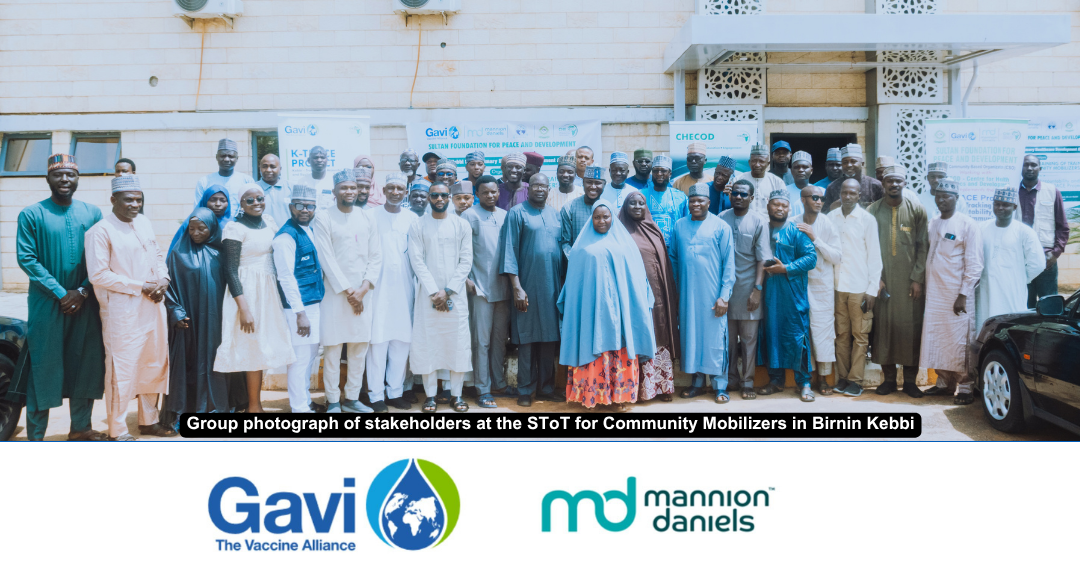
On Monday, 28 September 2026, key stakeholders from the Kebbi State Primary Health Care Development Agency (KSPHCDA) gathered at Azbir Hotel in Birnin Kebbi, Kebbi State, for a one-day State Training of Trainers (SToT) for Community Mobilizers under the Kebbi Tracking for Accountability and Equitable Immunization (K-TRACE) Project.
The training was organized by the Sultan Foundation for Peace and Development, the umbrella community-based organization (CBO) for the K-TRACE Project, in collaboration with the KSPHCDA under Gavi, the Vaccine Alliance CSO Funding Mechanism managed by MannionDaniels.
Participants included State and LGA Immunization Officers; One State and One LGA Health Educator, Local Government Area (LGA) Monitoring and Evaluation (M&E) Officers; representatives of the Centre for Health Economics and Development (CHECOD), the K-TRACE lead implementing partner, routine immunization supporting partners; seven K-TRACE LGA Officers; and representatives of the seven participating CBOs.
The workshop opened with a welcome address and an overview of the training objectives delivered by Alh. Aminu Inuwa Muhammad, Director of Programmes at the Sultan Foundation. Goodwill messages followed from Miss Oluwafisayomi Patrick, Communications focal point at CHECOD, and representatives of routine immunization partner organizations.
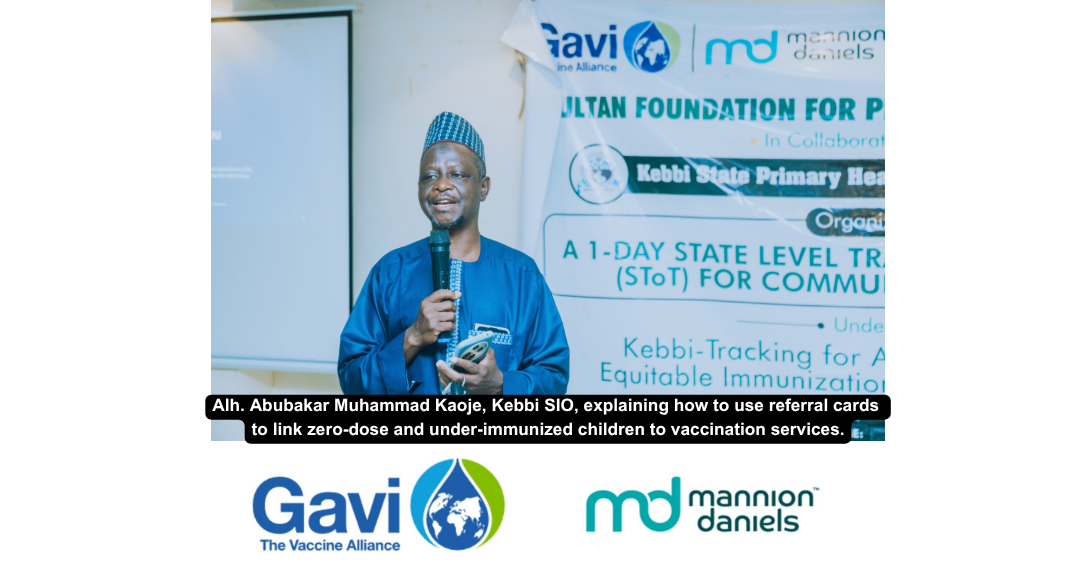
Alh. Abubakar Muhammad Kaoje, State Immunization Officer (SIO), represented the Executive Secretary of the KSPHCDA and delivered the opening remarks, setting the tone for the sessions ahead.
Delivering the opening remarks on behalf of the Executive Secretary of the KSPHCDA, Alh. Abubakar Muhammad Kaoje, State Immunization Officer (SIO), underscored the importance of strengthening community-level accountability mechanisms to ensure that every eligible child is reached with life-saving vaccines.
The training aimed to equip participants with the knowledge, skills and practical tools needed to train community mobilizers, who are best positioned to identify and reach children and families who might otherwise be missed by routine immunization services. Community mobilizers play a vital role in increasing awareness, promoting demand for immunization, and facilitating access to essential health services.
Why this training matters
Zero-dose children (aged 11-23 months) are those who have not received the first dose of the pentavalent vaccine (Penta 1), while under-immunized children in the same age group are those who have started the pentavalent dose(s) but have not received the third dose (Penta 3). Many of these children live in hard-to-reach communities where access to routine immunization services remains a challenge.
To address this gap, the K-TRACE Project is leveraging community mobilizers as a critical link between families and health services. As trusted members of their communities, community mobilizers go from house to house, engage caregivers and families in conversations about immunization, identify eligible children, and refer them to the nearest Primary Health Care (PHC) facility for routine immunization services.
The SToT was designed to equip participants with the knowledge, practical tools, and confidence needed to cascade the training to community mobilizers across the participating LGAs. By strengthening the capacity of these frontline actors, the project aims to improve the identification, referral, and follow-up of zero-dose and under-immunized children, ensuring that more children receive life-saving vaccines and are protected from vaccine-preventable diseases.
Technical Session One: Community Mobilization Strategy
The first technical session focused on on equipping participants with practical skills to identify, refer, and follow up on zero-dose and under-immunized children after outreach activities to verify their vaccination status.
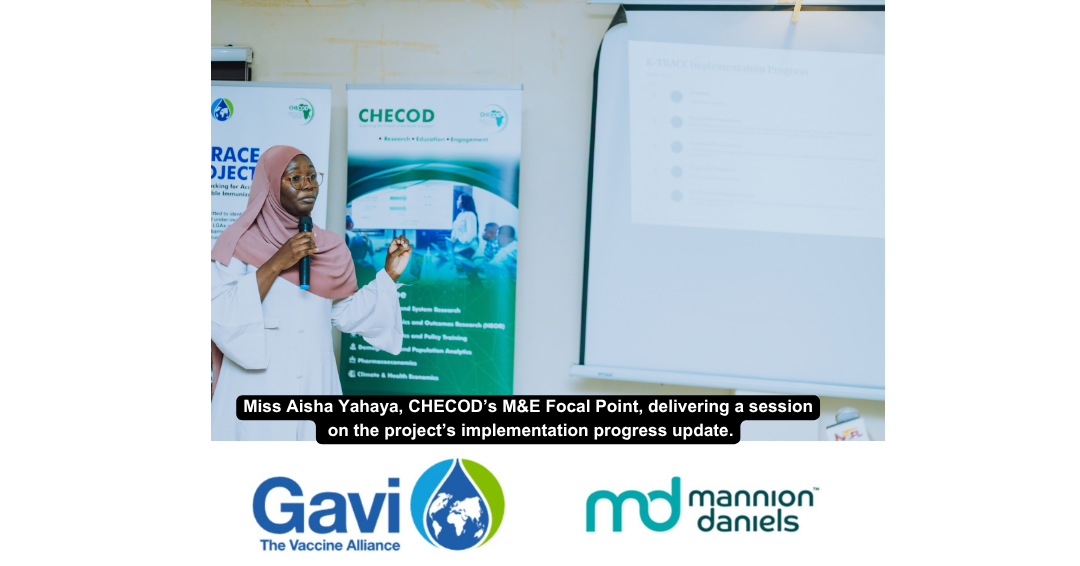
The session began with an update on the K-TRACE Project’s implementation progress. Miss Aisha Yahaya, CHECOD’s M&E focal point, delivered a presentation titled, “Where We Are” and “What Happens Next,” providing participants with an overview of achievements recorded so far and outlining the next steps for identifying and referring zero-dose and under-immunized children across the seven focus LGAs in Kebbi State.
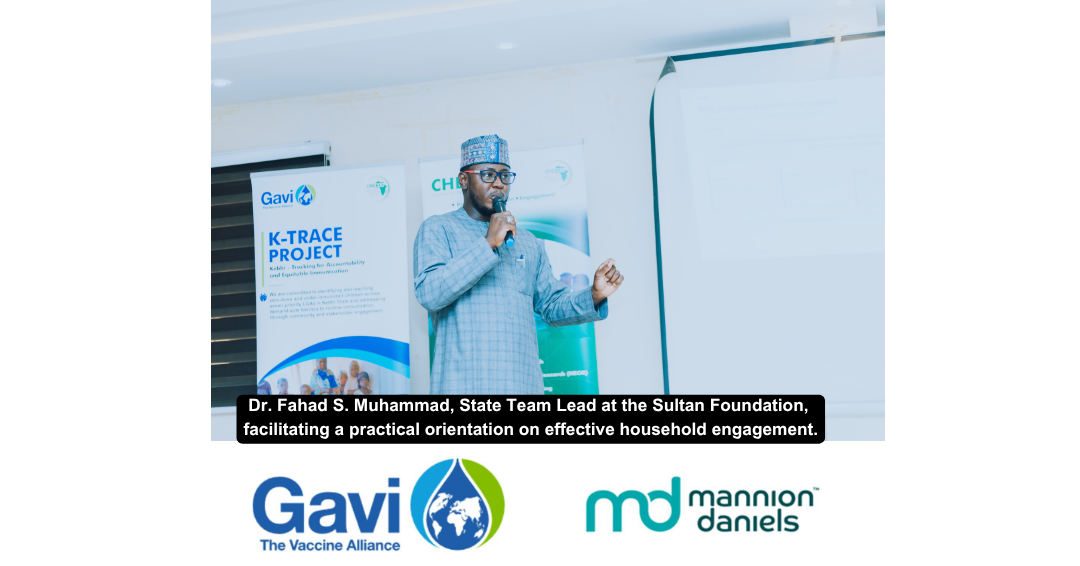
Building on this foundation, Dr. Fahad Saheed Muhammad, State Team Lead at the Sultan Foundation for Peace and Development, introduced participants to effective household engagement strategies. His presentation outlined a two-phase approach consisting of household enumeration, followed by counselling and referral. He explained the concepts of zero-dose and under-immunized children, described the target population for the intervention, and clarified the criteria for identifying, documenting, and referring eligible children for immunization services.
Participants were then introduced to the referral system that will connect identified children to vaccination services. Alh. Abubakar Muhammad Kaoje, SIO, then demonstrated how to correctly complete and use referral cards. Using practical examples, he showed participants how to document a child’s details, location, reason for referral, and referral destination to ensure seamless linkage to immunization services.
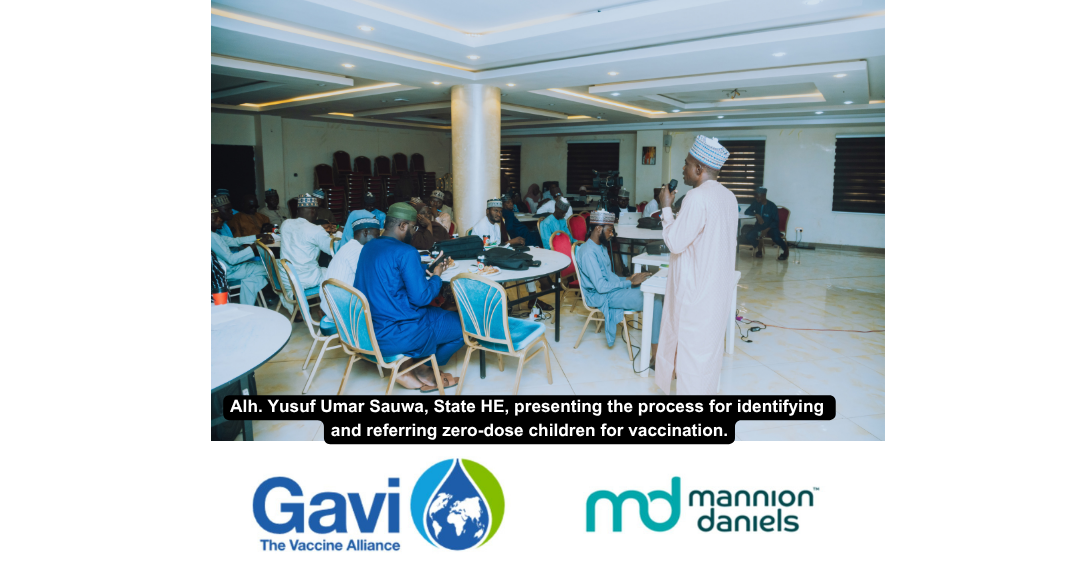
Recognizing the importance of communicating effectively with communities, Alh. Yusuf Umar Sauwa, State Health Educator (HE), facilitated a session on the process of identifying and referring eligible children. The session was delivered in Hausa to ensure that trainers could confidently communicate key messages in the language most familiar to caregivers and community members.
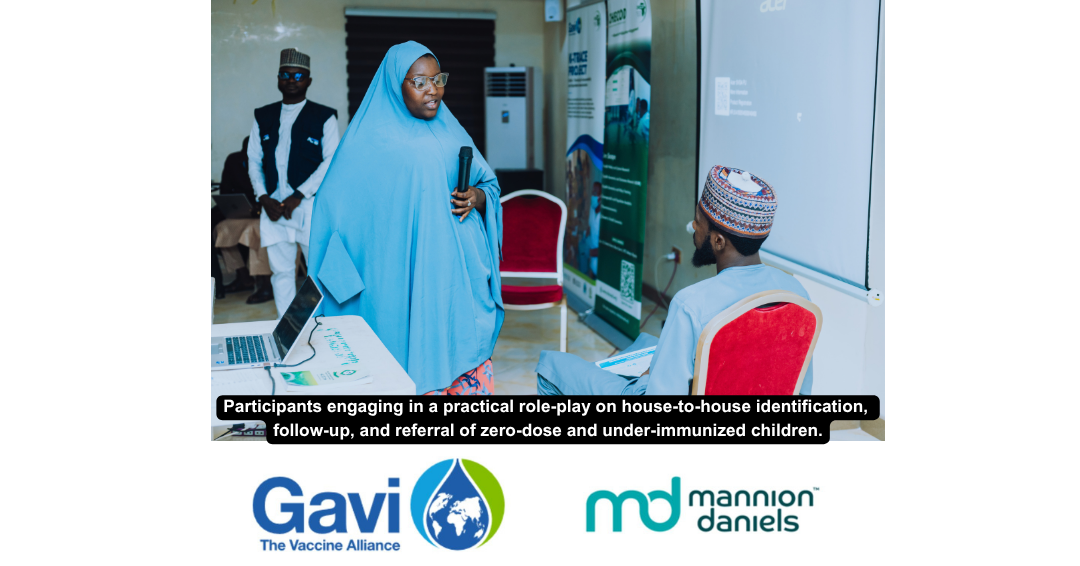
The session concluded with a practical role-play exercise led by Alh. Isma’il Abdullateef, State Coordinator of the ACE Group. Using the project’s practical guide, participants simulated house-to-house visits, practicing how to identify eligible children, counsel caregivers, conduct follow-up visits, and make referrals. The exercise provided an opportunity for participants to build confidence and refine the interpersonal skills they will need when engaging families in their communities.
Technical Session Two: Monitoring and Evaluation
The second session focused on the monitoring and tracking systems that will support the identification, referral, and follow-up of zero-dose and under-immunized children. While identifying eligible children is an important first step, ensuring that they receive and complete their vaccinations requires effective tracking and documentation.
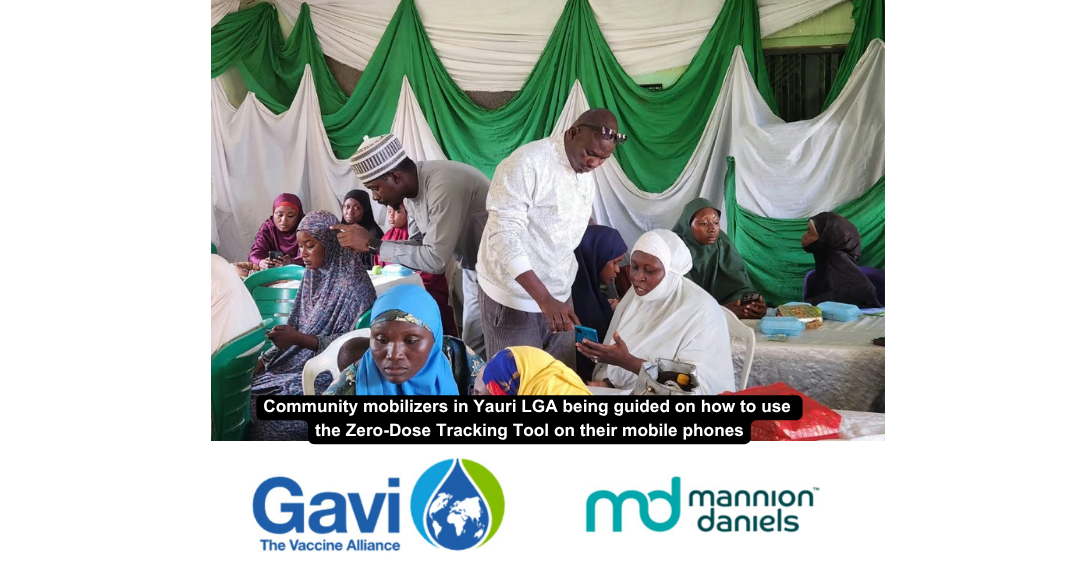
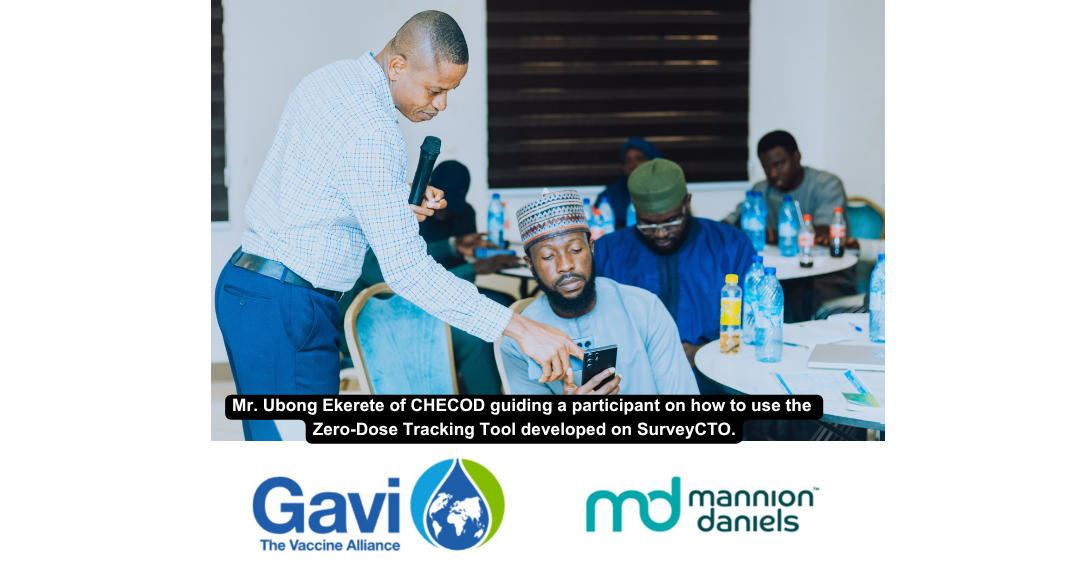
Mr. Ubong Ekerete of CHECOD, led a hands-on session on the K-TRACE validation and identification tool (Accountability tool), which was designed on SurveyCTO. The tool, which was installed on participants’ phones during the training, contains question modules for identifying, referring and tracking the children within the target population. Community mobilizers will use the tool to document the identification, referral and follow-up of zero-dose and under-immunized children during house-to-house mobilization activities. House-to-house mobilization is a community engagement strategy aimed at increasing awareness of and demand for immunisation services.
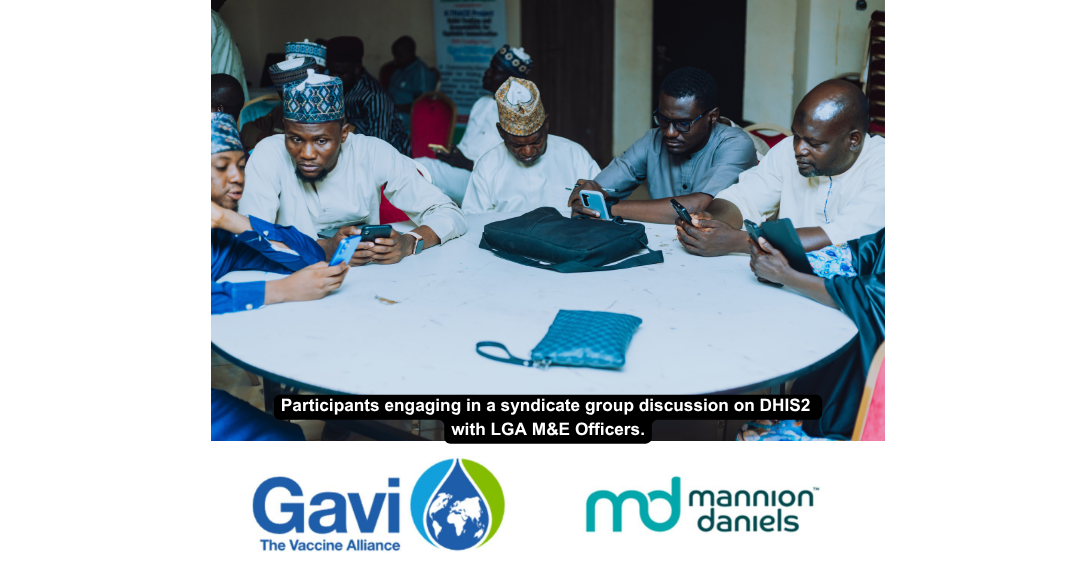
Alh. Abdulrahman Liman, M&E Lead at the Sultan Foundation, facilitated a syndicate group discussion on District Health Information System (DHIS2) with LGA M&E Officers. The discussion focused on how community-level data generated through the K-TRACE Project can contribute to routine health information systems and support data-driven decision-making for immunization programmes.
Cascading the training from the State-Level to the Community Level
The impact of the training extends beyond Birnin Kebbi. Following the State-Level Training of Trainers, the seven K-TRACE CBOs, K-TRACE LGA Project Officers, LGA M&E Officers, and Local Immunization Officers (LIOs) returned to their respective LGAs, Argungu, Birnin Kebbi, Koko-Besse, Danko-Wasagu, Maiyama, Yauri, and Zuru, to cascade the training to community mobilizers using the same curriculum and agenda adopted at the state level.
This approach ensures that community mobilizers receive the same knowledge, skills, tools, and practical guidance as participants at the state-level training. From household engagement techniques and referral processes to role-play exercises and digital data collection tools, the training package was delivered consistently across all participating LGAs.
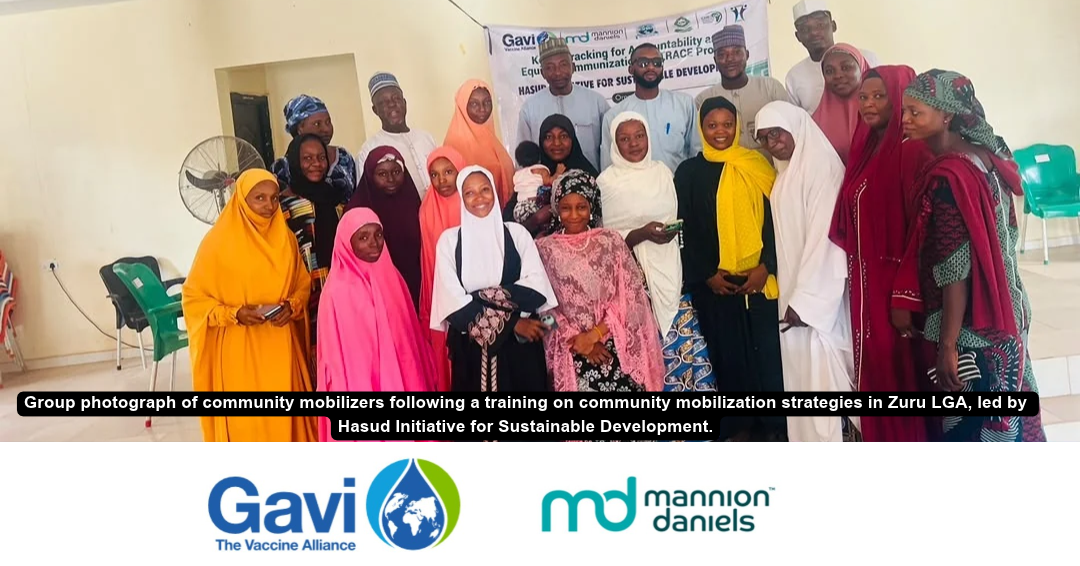
With trainers equipped and cascade trainings underway across the participating LGAs, community mobilizers are better prepared to identify zero-dose and under-immunized children, refer them to the nearest Primary Health Care (PHC) facility for vaccination, and document each stage of the referral process. Through the collective efforts of the Sultan Foundation for Peace and Development, the Kebbi State Primary Health Care Development Agency (KSPHCDA), CHECOD, and other supporting partners, the K-TRACE Project is strengthening community accountability mechanisms and advancing the goal to reduce the number of zero-dose children by at least 30% in seven priority LGAs in the state.