By Oluwafisayomi Patrick
Project Description: The Kebbi – Tracking for Accountability and Equitable Immunization (K-TRACE) Project is a transformative initiative working to strengthen routine immunization tracking and accountability in Kebbi State, implemented by CHECOD in collaboration with the Sultan Foundation for Peace and Development under Gavi, the Vaccine Alliance CSO Funding Mechanism managed by MannionDaniels.
“Kebbi State should be able to reach and engage at national level, present clear data and partnerships on immunization.” – Dr. Oluwole Smile, Program Manager, K-TRACE Project at CHECOD.
According to the National Demographic and Health Survey (NDHS) 2022–2023, approximately 4 in 5 (78.1%) children aged 12–23 months in Kebbi State have not received a single vaccine. That means thousands of children across the state are growing up without protection from Vaccine Preventable Diseases (VPDs), leaving families and communities vulnerable to avoidable illness and death.
Closing this gap requires more than strong interventions or strategy. It demands sustained stakeholder engagement, skilled and committed skilled healthcare workers, clear work plans, consistent tracking, reliable data, accountability, and coordinated implementation action across state, LGA and community levels. These priorities shaped the two-day Stakeholders’ Orientation Workshop of the Kebbi – Tracking for Accountability and Equitable Immunization (K-TRACE) Project’s, held on 24 – 25 August 2026 at the Shagalinku Hotel in Birnin Kebbi, Kebbi State, Nigeria.
The workshop was convened by the Kebbi State Primary Health Care Development Agency (KSPHCDA) in collaboration with the Centre for Health Economics and Development (CHECOD), under the Gavi CSO Funding Mechanism managed by MannionDaniels.
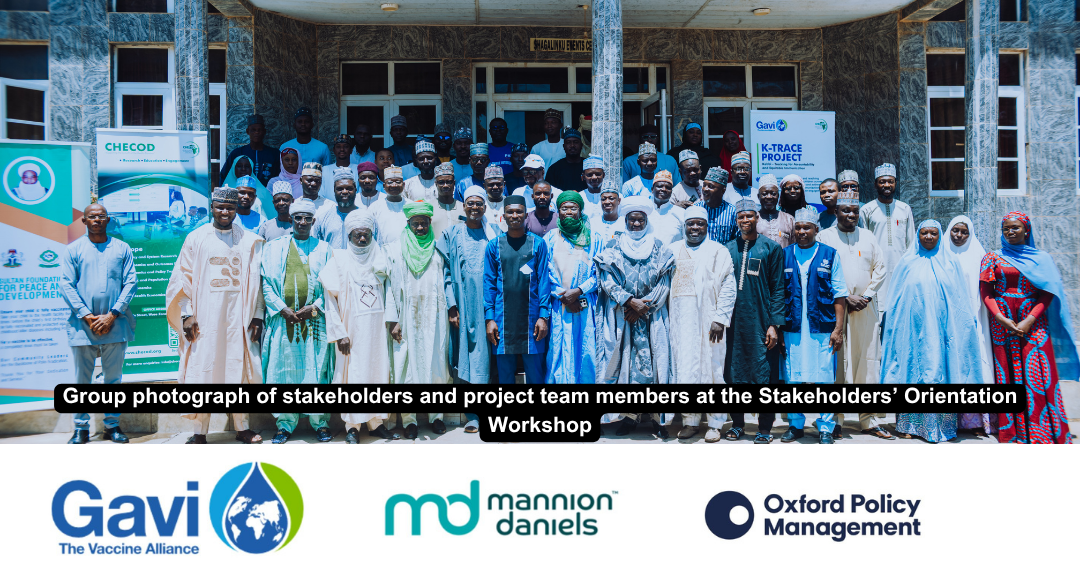
It brought together representatives from KSPHCDA, the Kebbi State Ministry of Health, WHO, New Incentives, UNICEF, the Nigerian Red Cross Society, LGA Immunization Officers (LIOs), and Emirate focal persons, all united around one goal: to significantly reduce the number of zero-dose children by at least 30% in seven priority LGAs of Kebbi State by overcoming access and acceptance barriers, leading to increased, equitable, and sustainable immunization coverage and reduced child mortality from vaccine-preventable diseases.
Setting the Tone: Day One of the Stakeholders’ Orientation Workshop
Day One opened with remarks from the Director of Disease Control & Immunization, followed by goodwill messages from WHO, the Nigerian Red Cross Society, New Incentive and the Sultan Foundation for Peace and Development’s State Coordinator, Fahad Saheed Muhammad.
A keynote address by Alh. Muhammad Abubakar, Executive Secretary of KSPHCDA, underscored a shared message: routine immunization gaps in Kebbi State are solvable — but only through clear planning, consistent tracking, reliable data, accountability, and coordinated action at the state, LGA and community level.
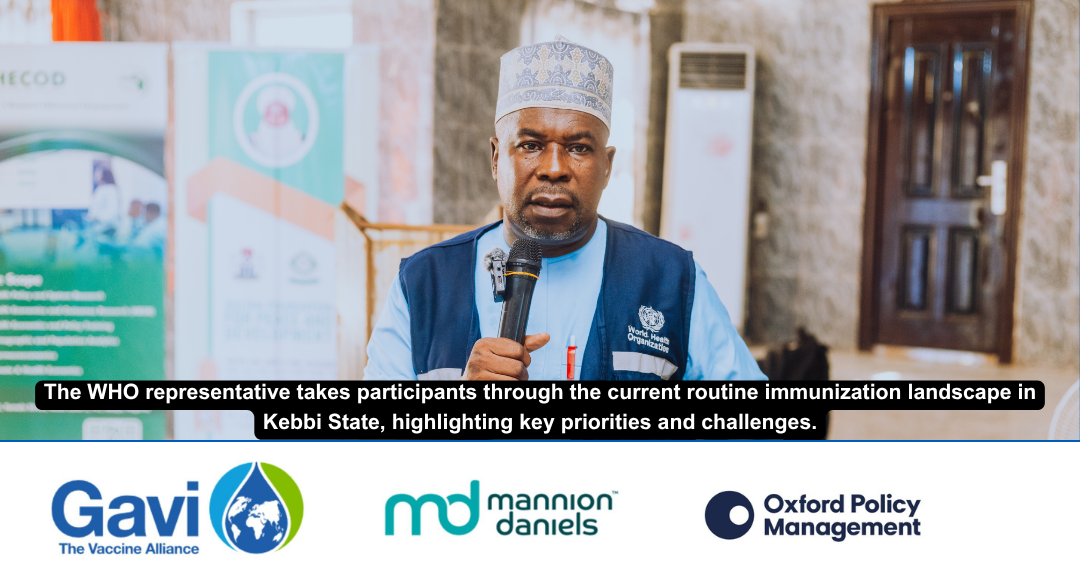
Participants were then guided through the current routine immunization landscape, with emphasis on identifying zero dose and under immunized children aged 12–23 months. This set the stage for sessions on Monitoring and Evaluation (M&E), vaccine supply chain management, and Advocacy, Communication, and Social Mobilization (ACSM) — the three pillars that keep immunization systems functioning
Introducing the K-TRACE Project and Hands-On Demonstration on Microplanning
A central highlight of Day One was the presentation of the K-TRACE Project, led by Dr. Oluwole Smile, Program Manager of the K-TRACE Project at CHECOD, with support from CHECOD’s K-TRACE Project M&E Focal Point.
Emphasizing grassroot level planning, Dr. Smile noted: “Kebbi State should be able to reach and engage at national level, present clear data and partnerships on immunization.”
The session connected the project’s broader goals to the realities of implementation at the community level, helping participants see how K-TRACE Project activities will translate into results-driven implementable actions.
Stakeholders were also briefed on their roles and responsibilities, reinforcing the importance of collaboration, coordination, and shared ownership in achieving the project’s goal of reducing zero dose children by at least 30% in the seven priority LGAs.
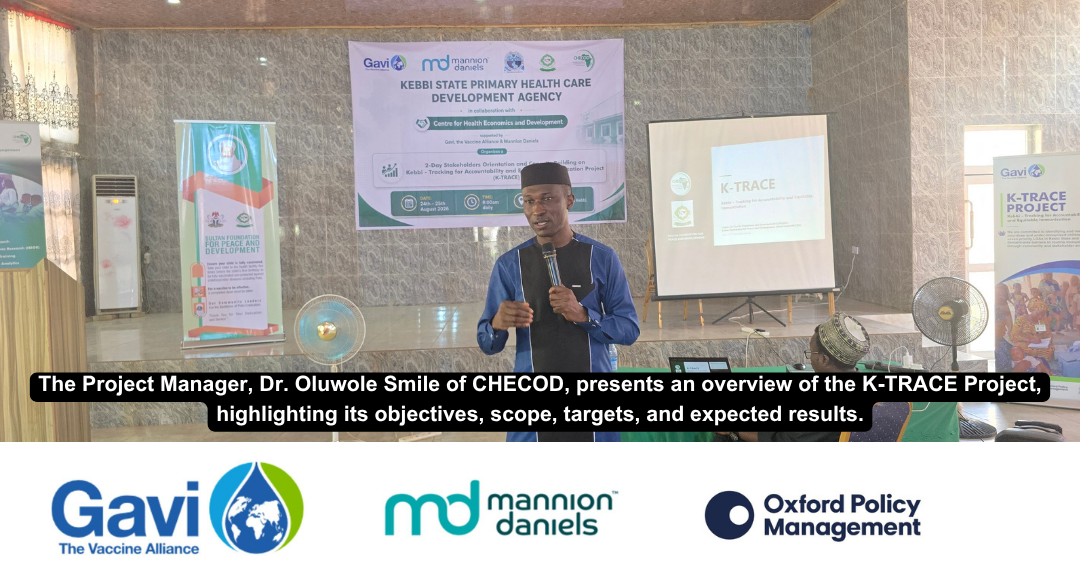
The day concluded with a working session between CHECOD, LGA officers, and Routine Immunization (RI) Officers to review microplans. Key gaps identified included:
• absence of a column for zero dose children aged 12–23 months
• missing fields for government and partner resource mapping, essential for accountability tracking
Deepening the Skills on Day Two
Day Two built on the momentum from the previous day. After a recap of key takeaways, WHO facilitators led a session on settlement prioritization, strengthening participants’ readiness for implementation.
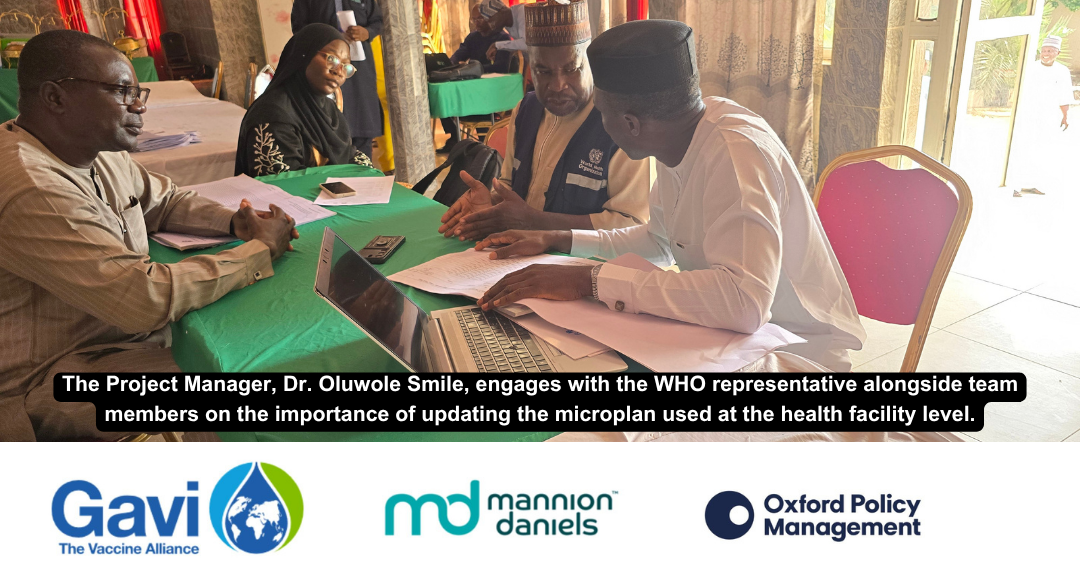
The afternoon shifted to hands on practice. The WHO State Coordinator, supported by the K-TRACE Project Manager, guided participants through practical exercises on settlement prioritization and microplanning, identifying communities with the highest concentration of unreached children.
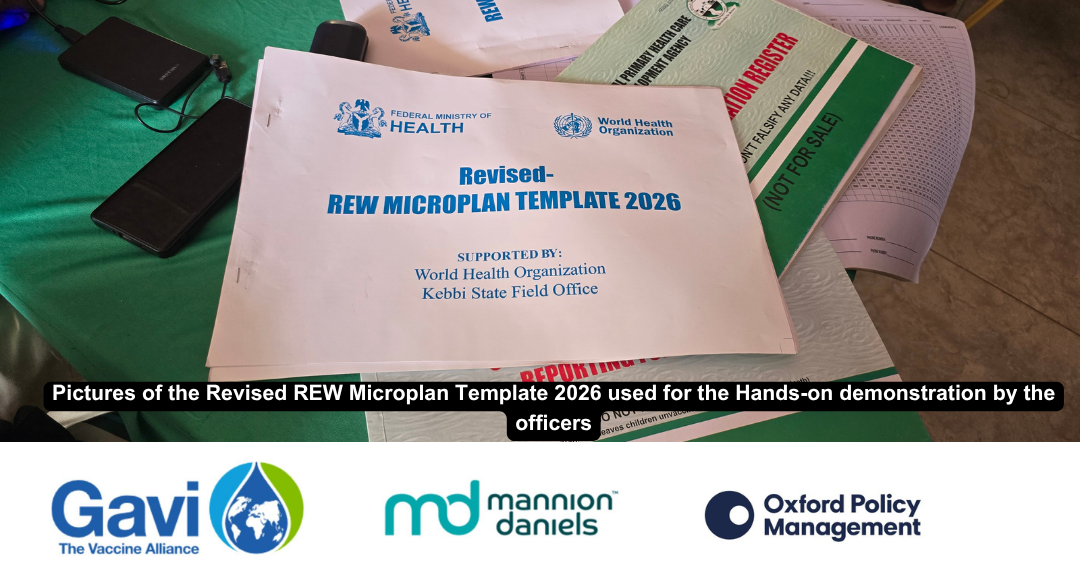
Microplans were refined to include:
• background and target population, now capturing zero dose children aged 11–23 months
• vaccination strategy and transport work plan, updated to reflect target populations and supporting partners
• linking services with communities, with partner roles clearly outlined
• vaccine supply availability, aligned with zero dose targets
Resource mapping was highlighted as a critical component of strategic planning.
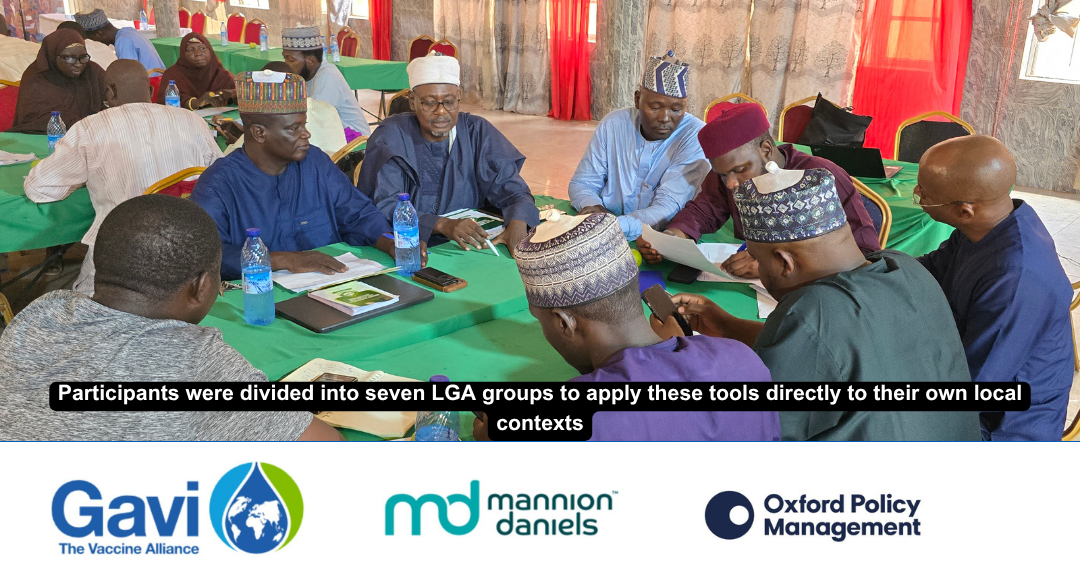
Participants then broke into seven LGA groups to apply these tools to their local contexts and present their updated microplans for feedback. Technical sessions also covered:
• resource mobilization for reaching zero dose children
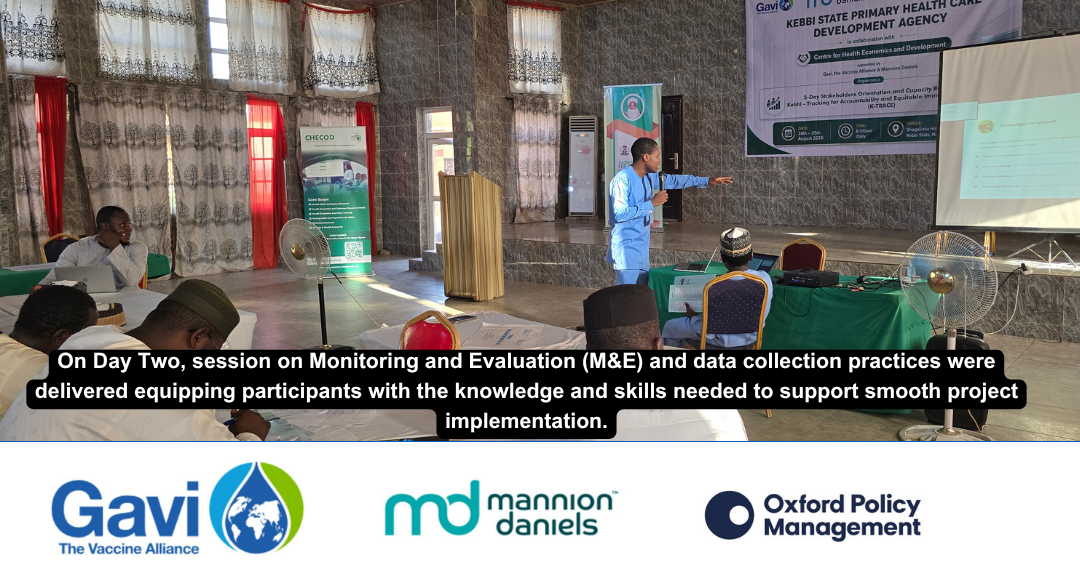
• M&E and data collection practices
• strategic communication for documenting and sharing K-TRACE Project impact stories
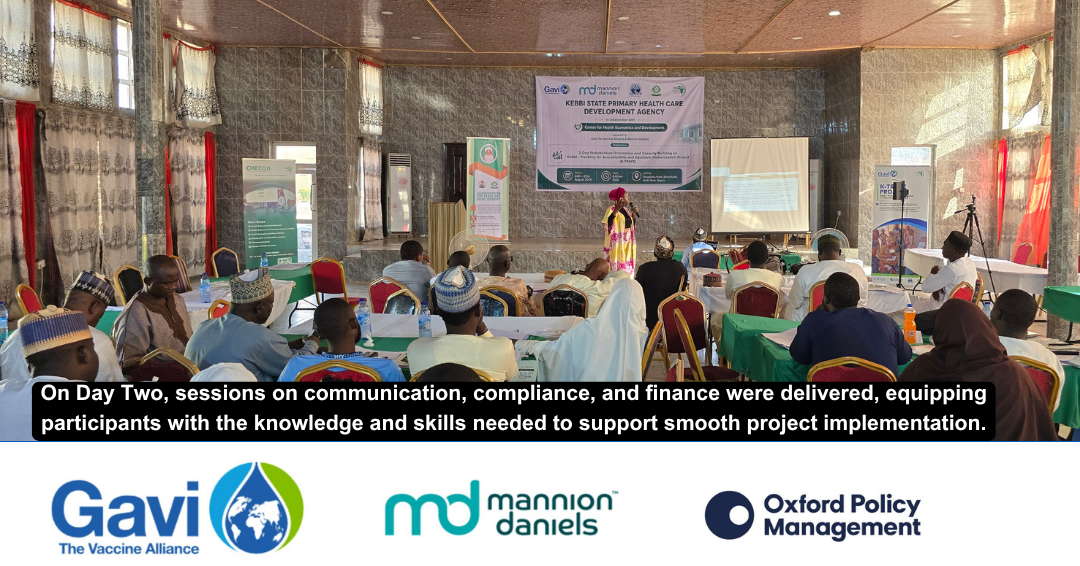
• compliance and finance procedures to support smooth project implementation
The workshop closed with stakeholders outlining next steps, action points, and implementation commitments, turning two days of learning into a concrete roadmap for the months ahead.
By the end of the workshop, participants left not only with knowledge built and strengthened skills but also settlement-level microplans they developed themselves. These practical plans wlll guide referrals during fixed, mobile, and outreach immunisation sessions, ensuring that zero-dose and under-immunised children are systematically tracked, identified and reached.
As the K-TRACE Project moves into its implementation phase, this shared foundation of skills, tools, and stakeholder alignment will be critical to closing Kebbi State’s immunisation gaps, and ensuring no child is left behind.